TL;DR:
- Discover why women over 40 and executives prioritize fitness to boost cognitive function, ease menopausal symptoms, and strengthen leadership resilience. Learn how. Incorporating aerobic and resistance training improves brain health, physical resilience, and leadership confidence. Executives succeed by integrating fitness into their schedules through home gyms, app programs, and recovery practices.
Women executives prioritize fitness because it directly builds the cognitive capacity, stress resilience, and leadership confidence that high-level roles demand. This is not a wellness trend. Exercise is now recognized as executive performance infrastructure, alongside sleep and nutrition, as a non-negotiable input for sustained leadership. For women over 40, the case is even stronger. Hormonal shifts during perimenopause and menopause create real physiological headwinds that untreated fitness neglect turns into leadership liabilities. The science behind exercise and executive function has matured significantly, and the most effective leaders are paying attention.
Why women executives prioritize fitness: the cognitive edge
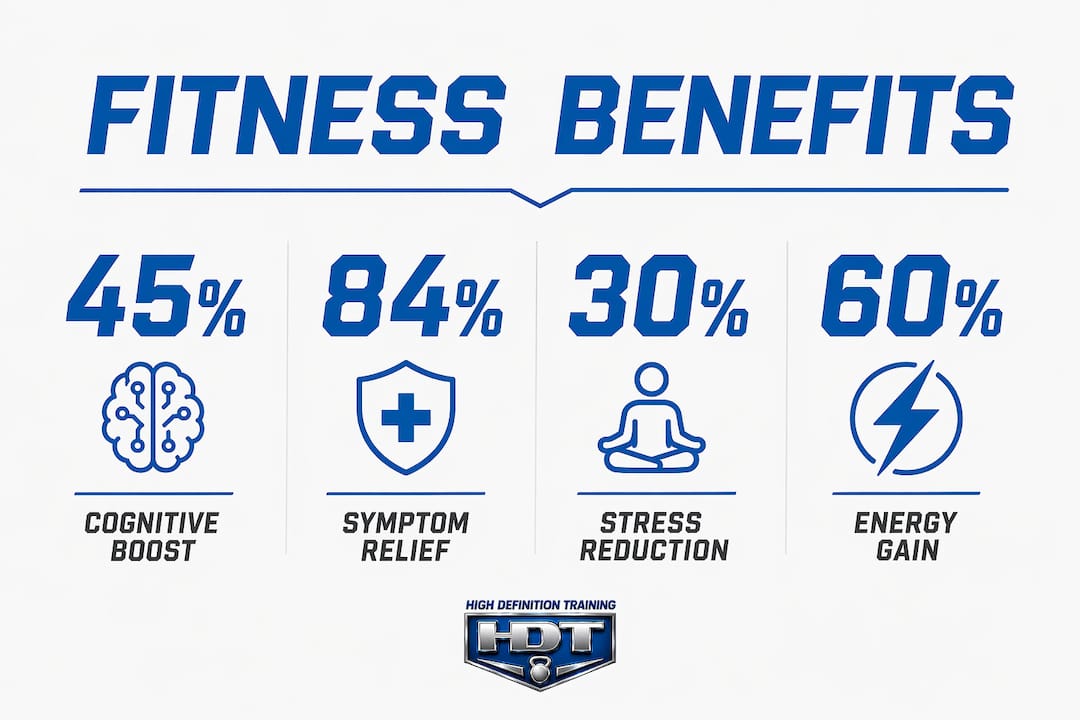
The clearest reason women executives prioritize fitness is the direct impact on brain performance. Exercise triggers biological changes in neurotrophic factors, including BDNF and irisin, both of which support memory, attention, and executive function. A 12-week aerobic exercise program increased neurotrophic factors and improved cognitive test scores, with the most notable gains in adults showing early cognitive decline. That finding matters to executives because the cognitive domains most affected, working memory and decision speed, are the same ones under pressure during high-stakes leadership moments.
Cardiovascular fitness compounds this effect. A meta-analysis of 78 studies found that exercise interventions improved VO2max by an average of 3.51 mL/kg/min in menopausal women and reduced systolic blood pressure. Higher VO2max is a reliable marker of both cardiovascular health and brain oxygenation. An executive with better cardiovascular fitness sustains sharper thinking through long board meetings, back-to-back decisions, and high-pressure negotiations.
Resistance training adds a separate layer of protection. Strength-based exercise builds resilience against cognitive decline in ways that aerobic work alone does not fully cover. The biological pathways linking fitness and cognition include myokine and neurotrophin signaling that specifically support executive function domains. Women over 40 who combine aerobic and resistance training are not just managing weight. They are actively maintaining the neurological infrastructure their leadership depends on.
Pro Tip: Schedule your most cognitively demanding work within two hours after a morning workout. Research on BDNF elevation shows that peak cognitive benefit occurs during the post-exercise window.
| Training type | Primary cognitive benefit |
|---|---|
| Aerobic exercise | Raises VO2max, improves brain oxygenation and processing speed |
| Resistance training | Supports executive function, memory, and resilience to cognitive decline |
| Combined aerobic and resistance | Maximizes neurotrophic signaling and cardiorespiratory fitness gains |
How does fitness reduce menopausal symptoms that drain leadership energy?
Perimenopause and menopause create a specific set of performance problems for women executives: brain fog, fatigue, disrupted sleep, mood swings, and memory lapses. These are not minor inconveniences. They directly undercut the clarity and stamina that leadership requires. The good news is that targeted exercise addresses them faster than most executives expect.
84% of midlife women who engaged in menopause-specific fitness programs reported significant symptom improvements within 60 days. That timeline is short enough to motivate consistent adherence. Executives respond to results, and a two-month window to measurably reduce brain fog and fatigue is a compelling return on time invested.
The most effective approach combines aerobic and resistance training rather than relying on either alone. A randomized 8-week trial showed that combined exercise programs reduced menopausal fatigue, improved sleep quality, and produced modest muscle gains. Critically, these benefits were observed regardless of whether the program was delivered face-to-face or via an app. Format flexibility removes a major barrier for executives with unpredictable schedules.
Key symptoms that targeted fitness programs address:
- Brain fog and memory lapses: Aerobic exercise increases BDNF, directly supporting memory consolidation and mental clarity.
- Fatigue: Combined training improves mitochondrial efficiency and sleep depth, reducing the chronic tiredness that compounds over long work weeks.
- Mood instability: Exercise regulates cortisol and serotonin, reducing the emotional volatility that perimenopause can amplify.
- Sleep disruption: Resistance training in particular has been linked to improved sleep architecture in women over 40.
- Weight changes: High-intensity and strength training preserve lean muscle mass, which naturally declines after 40 and affects metabolic rate.
The importance of health for women leaders during this life stage goes beyond aesthetics. Managing these symptoms through exercise is what keeps performance consistent when biology is working against it.
Why do women executives treat strength training as a leadership tool?
Strength training has shifted from a body-composition tool to a leadership development practice for women executives. The cultural reframe is significant. Women who lift weights now describe the gym as a place where they practice the same mental skills their careers demand: tolerating failure, adjusting under pressure, and committing to long-term goals with delayed gratification.
The psychological mechanism is concrete. Strength training creates a controlled environment where failure is safe and frequent. A missed lift, a failed rep, a weight that beats you today teaches the same lesson a failed pitch or a difficult board conversation does. Women who practice resilience by lifting report a greater willingness to take calculated risks and to lead decisively in professional settings. That is not a coincidence. It is a transfer of a trained mental habit.
Physical confidence also translates directly into executive presence. A woman who walks into a room knowing she is physically strong carries herself differently. That body language communicates authority before she speaks. For women over 40 navigating male-dominated boardrooms or managing large teams, that edge is real and worth building deliberately.
A practical approach to building strength training into an executive schedule:
- Start with two sessions per week. Two 45-minute sessions produce measurable strength gains and are sustainable for busy schedules.
- Prioritize compound movements. Squats, deadlifts, rows, and presses build total-body strength efficiently and mirror the full-body demands of physical confidence.
- Track progressive overload. Logging weight increases weekly creates the same feedback loop executives use in business metrics.
- Work with a qualified trainer. Proper form prevents injury and accelerates results; investing in a personal trainer is a time-saving decision.
Pro Tip: Treat your strength training sessions the same way you treat a board meeting. Block the time, show up prepared, and do not reschedule unless necessary.
What strategies help women executives integrate fitness into demanding schedules?
The biggest barrier to regular exercise for executives is not motivation. It is friction. Travel, back-to-back meetings, and unpredictable demands make traditional gym schedules unreliable. The executives who maintain consistent fitness habits solve this by treating fitness logistics as operations, applying the same problem-solving they use in business to remove barriers from their workout routine.
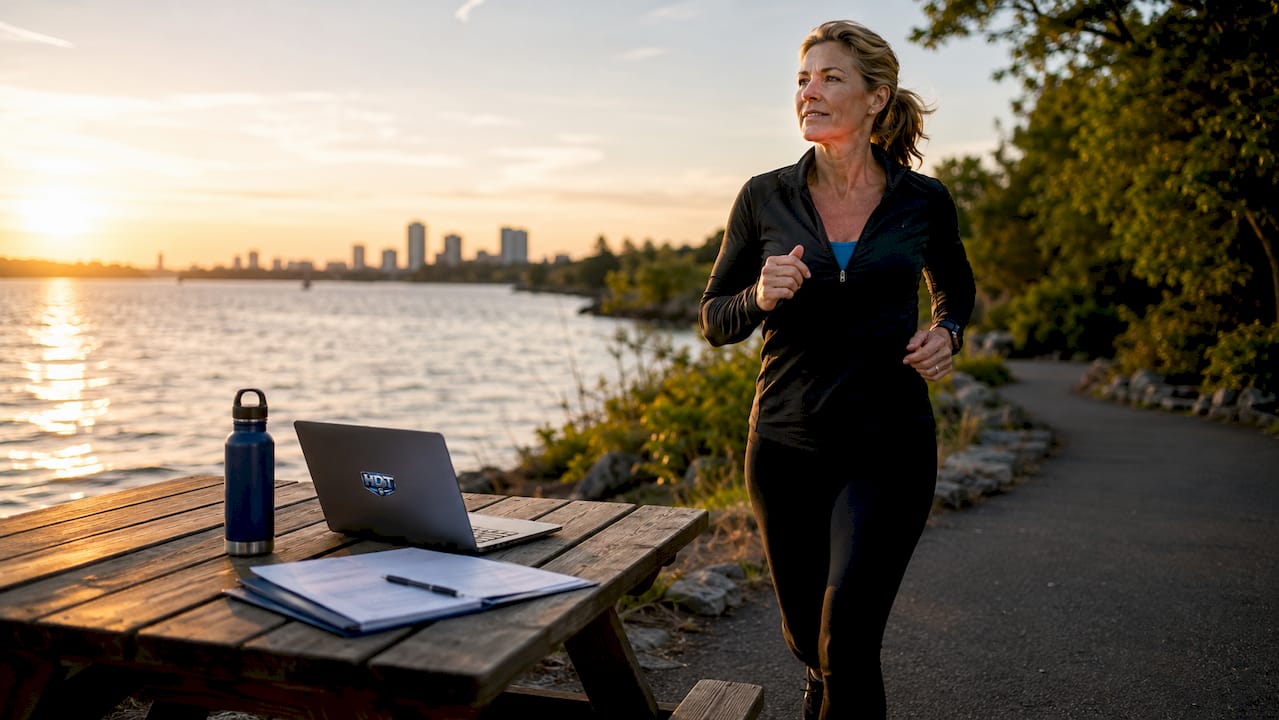
The most common solution is embedding fitness in the work environment itself. Home gyms and office-based personal trainers eliminate commute time and scheduling conflicts. An executive who trains at home at 6 a.m. or uses an onsite trainer during a lunch break removes the single biggest friction cost: travel. This approach treats the workout as a fixed operational input rather than an optional activity squeezed into leftover time.
| Fitness integration method | Best for | Key advantage |
|---|---|---|
| Home gym with personal trainer | Executives with early morning availability | Zero commute, fully personalized programming |
| App-based training programs | Frequent travelers | Consistent programming regardless of location |
| Onsite office gym | Executives with midday flexibility | Reduces schedule disruption, builds team culture |
| Virtual personal training | Executives with variable schedules | Live coaching without geographic constraints |
Recovery is the other underused variable. Senior women leaders face heightened emotional labor demands that deplete the same physiological reserves that exercise builds. Treating sleep, rest days, and recovery practices as non-negotiable parts of the fitness plan, rather than optional extras, is what separates executives who sustain their fitness habits from those who cycle through burnout and restart. The work-life balance and fitness connection is not about doing more. It is about protecting the capacity to perform consistently over the years, not just weeks.
Key Takeaways
Women executives who prioritize fitness gain measurable advantages in cognitive performance, stress resilience, and leadership stamina that no other single habit delivers as efficiently.
| Point | Details |
|---|---|
| Fitness builds cognitive capacity | Exercise raises BDNF and VO2max, directly improving memory, focus, and decision speed. |
| Menopause symptoms are manageable | 84% of women in targeted programs saw significant symptom relief within 60 days. |
| Strength training builds a leadership mindset | Lifting creates a safe practice of failure that translates directly to executive risk-taking and presence. |
| Friction reduction drives adherence | Home gyms, onsite trainers, and app-based programs remove the logistics barriers that derail busy executives. |
| Recovery is part of the program | Rest and recovery protect against burnout driven by the emotional labor demands unique to senior women leaders. |
Fitness is not self-care. It is leadership infrastructure.
The framing I see most often in wellness content treats fitness as something women executives do for themselves, as a reward or a break from work. That framing undersells it and, frankly, makes it easier to deprioritize when the calendar fills up.
What I have observed working with professional women over 40 in the Bronx is something different. The women who train consistently are not doing it to decompress. They are doing it because they have felt a difference in how they think, carry themselves, and recover from hard weeks. They treat their training sessions the way they treat their most important meetings: protected, prepared, and non-negotiable.
The emotional labor that senior women leaders carry is real and physiologically costly. Fitness serves as a steadying resource that preserves well-being capacity over the long term. That is not a soft benefit. That is the difference between a leader who is sharp and present at year five of a demanding role and one who has quietly burned out.
The cultural shift is happening. Women executives are reframing fitness from aesthetics to performance, and that shift changes everything about how they approach it, how they schedule it, and how seriously they protect it. At High Definition Training, that is the conversation we have from day one.
— Angel
Fitness programs built for women executives in the Bronx
High Definition Training works with women over 40 in the Throgs Neck and Pelham Bay areas of the Bronx who are serious about building the physical capacity their careers and lives demand. The programs are designed around the specific challenges executive women face: limited time, midlife hormonal shifts, and the need for results that show up at work, not just in the mirror.
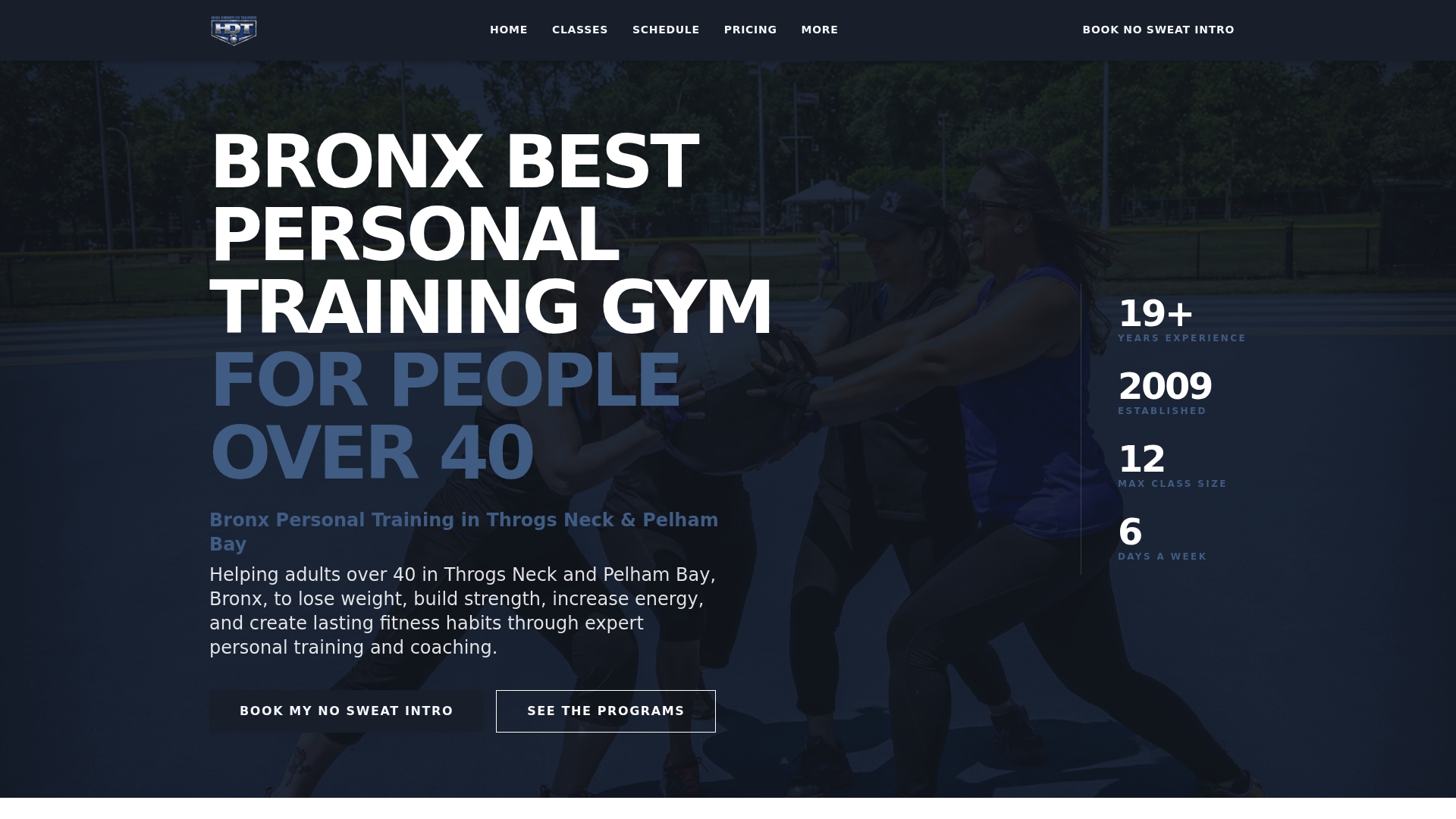
Every session is personalized, and scheduling is built around your calendar, not a gym’s class timetable. Whether you prefer in-person training or need a format that travels with you, High Definition Training has options that fit. If you are ready to treat your fitness the way you treat your most important professional commitments, explore training classes designed specifically for women like you.
FAQ
Why do women executives prioritize fitness over other wellness habits?
Fitness offers a unique combination of cognitive, hormonal, and psychological benefits that no other single habit can match. For women over 40, it also directly addresses menopausal symptoms that affect daily leadership performance.
What type of exercise is most effective for women executives over 40?
Combined aerobic and resistance training produces the broadest benefits, including improved VO2max, reduced menopausal symptoms, better sleep, and stronger cognitive function. Research supports this combination over either approach alone.
How quickly can fitness improve menopausal symptoms for working women?
84% of midlife women in menopause-specific fitness programs reported significant symptom improvements within 60 days, making it one of the fastest-acting interventions available for brain fog, fatigue, and mood changes.
How do busy executives find time to exercise consistently?
The most effective approach is to remove friction by embedding fitness into the work environment. Home gyms, onsite personal trainers, and app-based programs eliminate commute time and allow training to fit around demanding schedules rather than compete with them.
Does strength training really improve leadership performance?
Yes. Women who practice strength training develop resilience, risk tolerance, and physical confidence that transfer directly into executive decision-making and presence. The gym creates a low-stakes environment to practice the same mental skills that leadership demands.