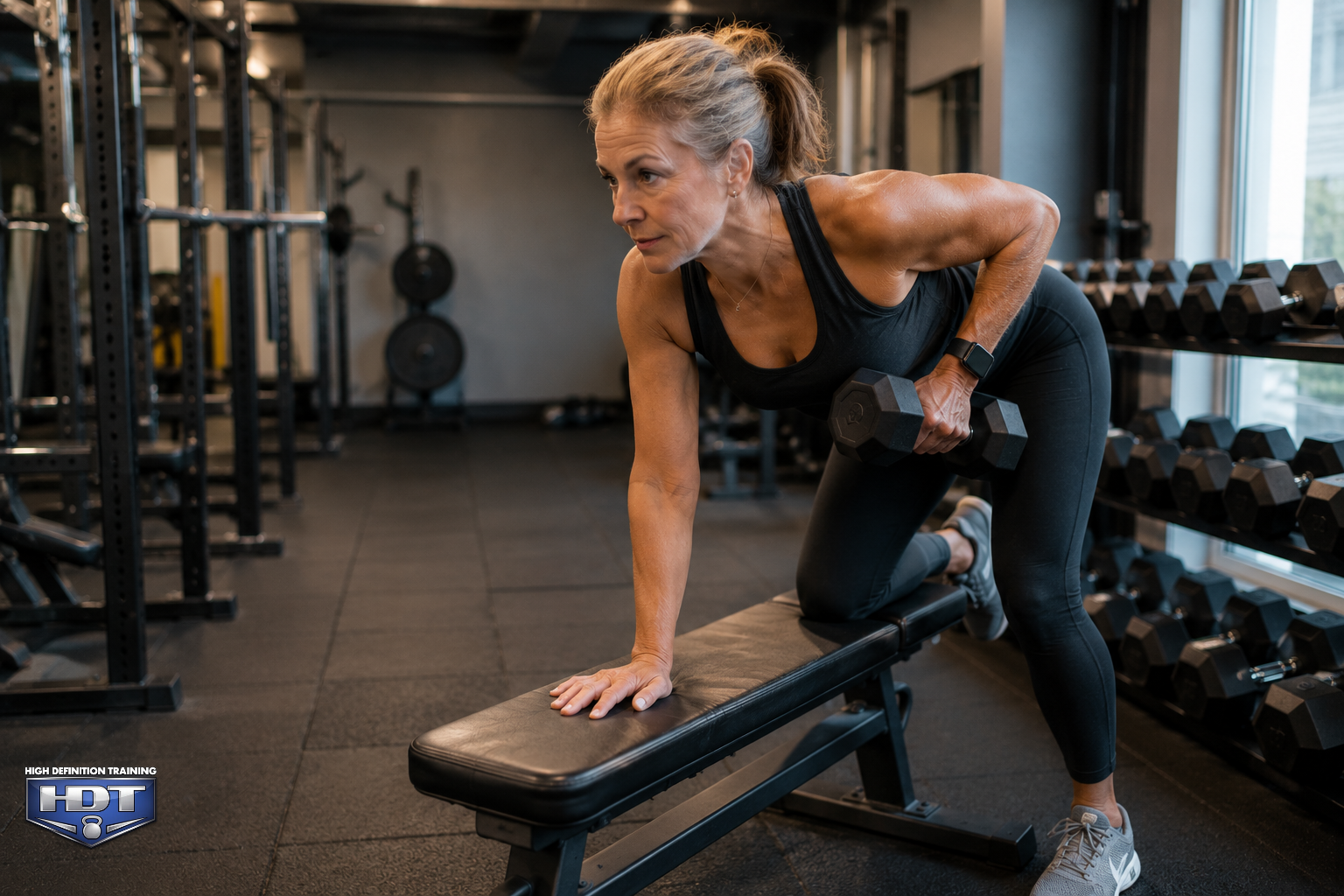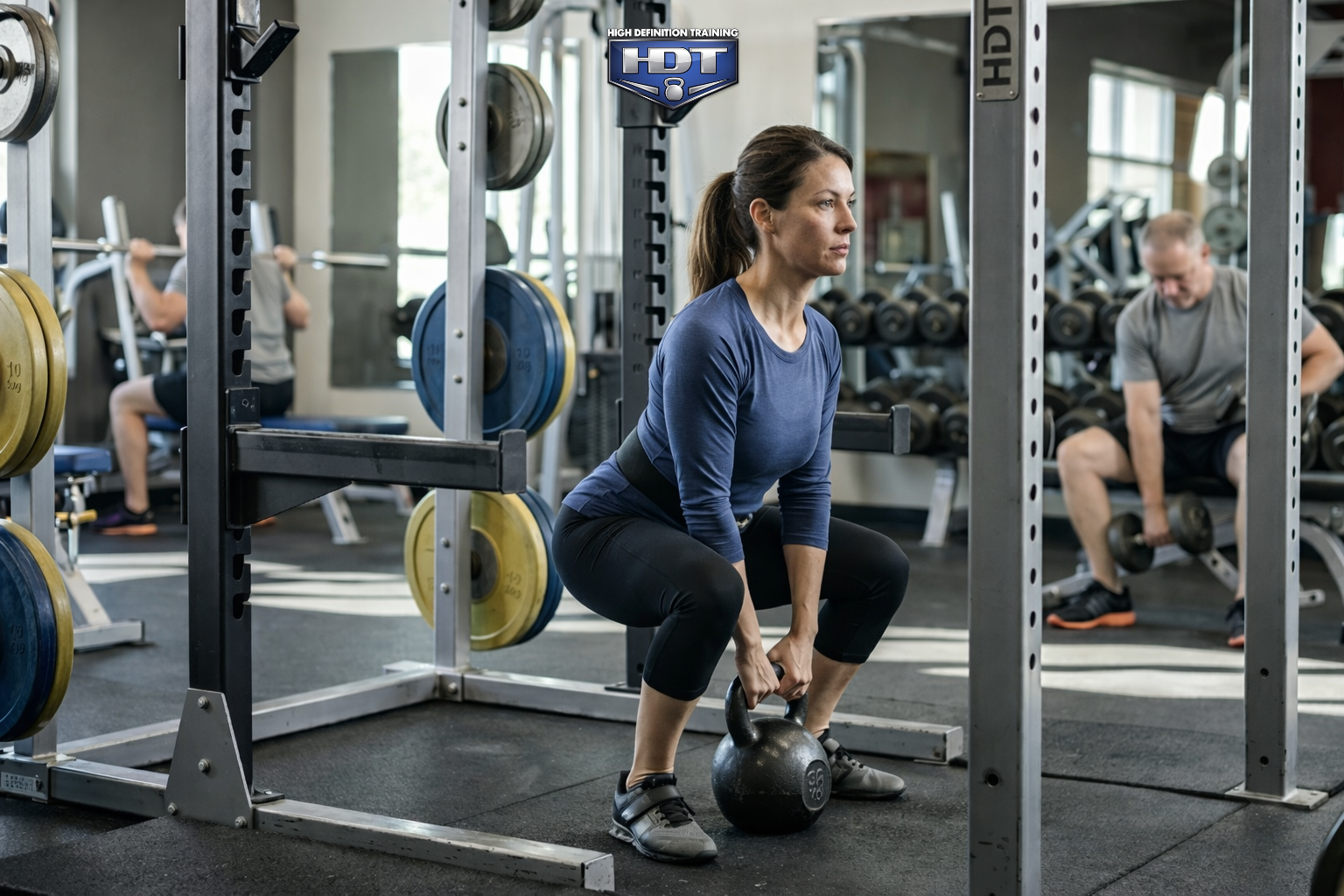
Progressive overload is a big deal in strength training, but it's often misunderstood. At its core, it means gradually making your workouts more challenging so your body has a reason to adapt. This adaptation leads to lifting more, growing muscle, boosting endurance, and making long-term progress. If you’ve ever felt stuck in a plateau, this might be the missing piece.
If you're looking to train smarter, not just harder, progressive overload is a simple yet powerful tool. It fits into almost any workout plan, whether you’re using free weights, machines, or just your body weight. It works especially well when paired with smart recovery and mobility work. If you're crafting a plan with personalized training programs or seeking tips on strength training for adults over 40, grasping this concept will help you get more out of every session.
In this guide, you'll learn what progressive overload is, why it works, how to apply it safely, and how to avoid common mistakes. You'll also see how current training trends, expert advice, and real-life examples can help you build strength and muscle confidently. For more on physical activity recommendations, check out the CDC’s adult activity guidelines.
What Progressive Overload Means in Strength Training
The simple definition
Progressive overload is about increasing your workout demands over time so your body keeps adapting. If nothing changes in your workouts, your body won’t get stronger. By adding weight, reps, sets, or reducing rest, you challenge your muscles and nervous system with a bit more every time. This response leads to muscle growth and strength gains.
This principle is for beginners and seasoned lifters alike. Newbies might progress quickly by adding more reps or a bit of weight each week, while seasoned athletes might need careful tweaks to keep improving. The key is not to treat every workout as a max effort test. Instead, aim for steady, measurable progress that you can recover from and repeat.
Why it matters for long-term results
Without progressive overload, most routines hit a wall. The first few weeks of training often bring fast gains because your body is adapting to a new challenge. After that, progress slows unless you keep challenging it in new ways. This is why folks who train hard but never plan their progression often feel like they’re working a lot without seeing enough change.
Long-term fitness progress relies on consistency, and progressive overload provides that structure. It helps you build on success without guessing what's next. This structure is also valuable for those who need a safer approach, like anyone dealing with pain, limited mobility, or past injuries. In those cases, injury recovery and corrective exercise can bridge the gap back to heavier training.
Why Progressive Overload Builds Muscle and Strength
Muscle adaptation and hypertrophy
Muscles grow when they're challenged enough to trigger adaptation. During resistance training, small amounts of stress create tiny damage and metabolic fatigue, which the body repairs by making muscle tissues stronger. Over time, this process leads to hypertrophy, or muscle growth. Progressive overload keeps this process happening instead of fading after a few weeks.
Research backs up the idea that training volume is crucial. A 2023 meta-analysis in Sports Medicine found that weekly training volume in the range of 10 to 20 hard sets per muscle group is often ideal for hypertrophy in most adults, while going beyond that can reduce returns and increase injury risk. This finding highlights the need for a plan because more isn’t always better. Smart progression usually beats random intensity.
Strength gains and nervous system efficiency
Strength isn’t just about bigger muscles. It’s also about how well your nervous system recruits those muscles, coordinates movement, and generates force. When you progressively overload compound exercises, you train both the muscles and the brain-spinal cord-muscle system to work more efficiently. This is why a lifter can become stronger even before major muscle growth is noticeable.
Improving strength often means practicing the same movement with a bit more demand over time. Adding a little weight to a squat, deadlift, or press can lead to meaningful improvements because the body learns to handle the new load more effectively. If technique and control are priorities, pairing this approach with functional movement training can ensure the body moves well while getting stronger.
How to Apply Progressive Overload Safely and Effectively
Increase one variable at a time.
The best way to use progressive overload is to tweak just one or two training variables at a time. You can add weight, increase reps, add a set, improve range of motion, shorten rest periods, or increase training frequency. Changing too many variables at once makes it hard to know what actually drove the improvement. It also raises the risk of poor form and fatigue.
A common beginner tip is to increase weight by about 2.5 to 5 pounds on compound lifts when the current load feels manageable for the target rep range. For bodyweight exercises, adding one or two reps per set works well too. Some experts also recommend starting at roughly half of your max intensity if you're new to lifting, then increasing load by 10% or less each week if recovery and technique remain solid. These slower increases are especially useful if you're coming back after a break or working with older joints.
Use the right progression for your goal.
Not every goal needs the same overload style. If you want muscle size, increasing total weekly volume and working close to failure in a controlled way often works. If your main goal is strength, heavier weights with lower reps are usually more important. For muscular endurance, higher reps, shorter rest periods, and more time under tension may help.
Recent fitness trends in HIIT and functional training have made progressive overload more versatile. In a well-designed program, you might increase intensity while reducing reps for strength, or increase reps while keeping the same load to boost endurance. The point is not to chase random difficulty. It’s to use a clear progression model that fits your goal and current fitness level.
Track your workouts consistently.
Progressive overload only works if you can track your progress. A workout log makes it much easier to know when you're ready to advance. Record the exercise, weight, sets, reps, rest time, and how hard the set felt. Over time, you'll see patterns that tell you when to push and when to hold steady.
Tracking also helps stop the mistake of repeating the same “hard” workout without moving forward. Many people think they’re progressing because they feel tired, but fatigue isn’t the same as adaptation. Consistent tracking turns training into a long-term system rather than a series of guesses. For more accountability, small group personal training can provide structure, feedback, and motivation.
Best Methods to Progress Your Training
Add weight gradually
Adding resistance is the most obvious way to progress, and it’s often the best option for compound lifts. If you can complete all your reps with good technique and still have energy left, the next session might be a good time to go slightly heavier. Small jumps are usually more sustainable than big ones, especially on exercises involving the shoulders, back, and knees.
For those over 40 or returning from injury, slower loading progress is often smarter. Joints and connective tissues adapt, but usually slower than muscles. That’s why a gradual increase in resistance can protect your body while still promoting improvement. When pain or mobility limits make loading tough, joint pain relief programs and mobility & flexibility training can support safer progress.
Increase repetitions or sets.
When adding weight isn’t the best option, boosting reps or sets can still create meaningful overload. This is handy if your form isn’t perfect or if you’re working with limited equipment. Moving from three sets of eight to three sets of ten is a measurable increase in workload that can still drive adaptation. Likewise, adding a fourth set creates more volume without forcing a big jump in load.
This strategy is often recommended when you want to build endurance and muscle at the same time. It can also be easier to recover from than constantly pushing heavier weights. Total weekly volume matters, and volume is just sets multiplied by reps and load. That’s why small changes to reps and sets can be as important as adding weight.
Reduce rest time or improve density.
Another way to apply progressive overload is to do the same work in less time. Shortening rest periods increases training density and can make your body work harder without changing the load. This method can be useful for conditioning, muscular endurance, and some hypertrophy goals. It also keeps workouts efficient for people with busy schedules.
Rest time should match the exercise and the goal. Heavy squats and presses usually need longer rest because the nervous system and muscles need more recovery between sets. Accessories and isolation movements can often handle shorter breaks. The smartest programs use rest strategically rather than just cutting it to make the workout harder.
Common Mistakes That Slow Progress
Progressing too fast
One common mistake is adding too much too soon. Faster progression may feel exciting at first, but it often leads to form breakdown, soreness that lingers, or a sudden plateau. If your jumps are too aggressive, your body may not have time to adapt between sessions. That can turn progress into frustration.
A more sustainable approach is to increase load or volume in small steps. This is especially important for compound exercises and for people with a history of pain or injury. The goal is to challenge your body, not overwhelm it. Smart training stays productive because it's repeatable.
Ignoring recovery and nutrition
Progressive overload creates the stimulus, but recovery creates the results. Without enough sleep, protein, hydration, and rest days, your body can't fully adapt to increasing demands. This is why some lifters feel stuck even when their workouts look good on paper. The training stimulus is just one part of the equation.
Nutrition matters too, especially if muscle gain is the goal. Adequate protein supports muscle repair and growth, while enough total calories fuel adaptation. To better align your training and eating habits, consider professional nutritional guidance that matches your goals, schedule, and preferences. For more evidence-based recovery advice, the National Institute on Aging offers useful guidance on exercise and physical activity for adults.
Chasing failure every session
Training close to failure can be effective, but going all out every time isn't necessary and can be counterproductive. Constant all-out effort can increase fatigue faster than it increases results. A better strategy is to leave a little room in the tank on most sets, then push harder when the program calls for it. This approach helps maintain form and supports consistent progression.
This matters even more when your workouts focus on health, function, and long-term consistency. If your joints get irritated or your back feels tight after every workout, the problem might not be a lack of effort. It might be a programming issue. In those cases, back pain rehabilitation training or chronic pain management through exercise can help you train in a more sustainable way.
Progressive Overload for Adults Over 40
Why the approach should be more deliberate
People over 40 can absolutely build muscle and strength, but the training process often needs more attention to recovery, technique, and mobility. That doesn't mean progress has to be slow forever. It means progress should be planned carefully so the body keeps adapting without unnecessary stress. Consistency and recovery become even more valuable as training years add up.
Joint stiffness, old injuries, and busy schedules can all affect training tolerance. The good news is that progressive overload is highly adaptable. You can progress with slightly more reps, a better range of motion, improved tempo, or smarter exercise selection. If you want a more customized path, personal training for adults 40+ can help tailor loading strategies to your body and goals.
Mobility, balance, and pain-aware progression
For older adults, progression shouldn’t just focus on muscle size or bigger numbers. Mobility, balance, and movement quality are just as important because they support long-term independence and lower injury risk. A program that improves squat depth, walking stability, hip control, and shoulder function can be a major win even before the weights go up dramatically.
That’s why many experienced coaches combine overload with movement work. Balance and fall prevention training, along with mobility restoration, can make strength work more effective and safer. The goal isn’t only to lift more. It’s to move better so you can keep lifting more over time.
Real-World Example: Applying Progressive Overload in Practice
A simple strength progression model
Imagine a client starting with a dumbbell press using 20-pound weights for three sets of eight reps. In week two, they keep the same weight but add one rep per set. In week three, they return to eight reps but move up to 22.5 pounds. In week four, they repeat that load and try to improve technique or add a fourth set if recovery is strong. That's progressive overload in action: small, planned changes that accumulate over time.
This approach works because each increase is manageable. The client doesn't need to guess whether they’re improving, and they don’t need to make huge jumps. Over several months, those small advances can lead to a dramatic difference in strength and confidence. That's exactly why structured coaching often outperforms random workouts.
How a Bronx gym might use this method
A local fitness studio can apply progressive overload in ways that match the needs of the community. A trainer might begin with mobility work and moderate loading, then gradually increase squat depth, load, or total sets as the client adapts. This is especially helpful for those wanting stronger legs, better posture, or more energy without aggravating old injuries. For clients seeking a guided environment, semi-private training can blend coaching with accountability.
At High Definition Training, this philosophy fits naturally with a results-driven, pain-aware approach. Whether someone is building foundational strength or returning to exercise after a setback, the right program should challenge the body while respecting its limits. For some clients, that might also include hybrid training, so progress continues between in-person sessions.
How to Know When to Progress
Signs you are ready to increase demand
You might be ready to progress if you can complete your planned sets and reps with solid form, controlled tempo, and a sense that you have a little left in reserve. Another sign is that the workout feels noticeably easier than it did a couple of weeks ago. If your recovery is good and your joints feel stable, that’s usually a good time to make a small change.
Some lifters use a simple rule: when all sets are completed at the top of the target rep range, increase the load next time. For example, if your goal is 8 to 10 reps and you can hit 10 with good technique, you might be ready to go heavier. This kind of decision-making keeps the process objective and reduces guesswork. A similar approach is often used in evidence-informed programs and aligns well with broader training best practices.
When to hold steady instead
Not every session needs to be harder than the last. If form starts to break, if soreness lingers too long, or if your joints feel irritated, it might be smarter to keep the same load until the body catches up. Holding steady isn’t failure. It’s often the decision that makes the next step possible. Sustainable progress requires patience.
This is where coaching becomes valuable. A knowledgeable trainer can tell the difference between productive strain and unnecessary overload. If pain, compensation, or poor movement quality are limiting your results, functional movement training and corrective exercise can help restore the foundation before you push harder again.
Final Takeaway: Build Strength the Smart Way
Small steps create big results.
Progressive overload works because it respects how the body actually adapts. You don’t need dramatic changes to get stronger or build muscle. You need the right level of challenge, repeated consistently over time, with enough recovery to let the body rebuild. That’s how workouts turn into long-term results.
Whether you’re trying to add muscle, improve endurance, or prevent another plateau, the formula is the same: measure your work, make small progressions, and protect recovery. When you combine that mindset with smart coaching, nutrition, and movement quality, your training becomes much more effective. That’s especially true for anyone who wants safe, sustainable fitness progress after 40.
Ready to move forward?
If you want help applying progressive overload in a way that fits your body and goals, the right guidance can make all the difference. High Definition Training offers customized support for strength, mobility, recovery, and pain-aware exercise so you can keep improving without feeling beat up. To explore your next step, visit our personalized training programs or learn more about strength training for adults over 40.
If you’re comparing training options and looking for more structure, it may also help to review research-backed resources like the American Council on Exercise and the National Strength and Conditioning Association. If you’re ready to train with expert support in a safe, goal-focused environment, contact High Definition Training at (917) 432-9418 or visit us at 3843 E Tremont Ave, Bronx, NY 10465. Your next level of strength starts with one smart progression.