The Complete Guide to Why One-on-One Personal Training is Worth It
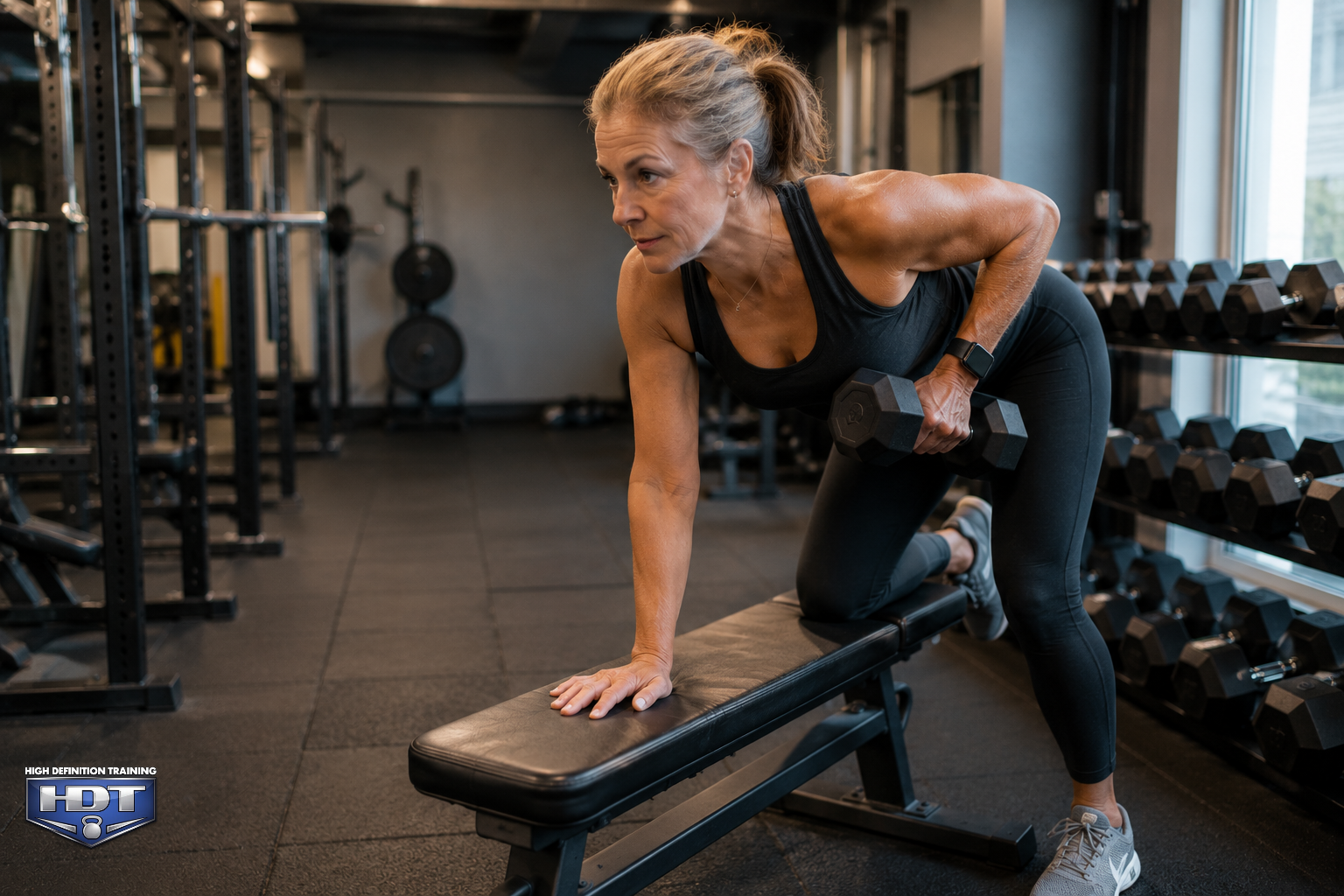
One-on-one personal training isn’t just for the fitness elite anymore. It’s a super effective way to reach your health and fitness goals, whether you're starting fresh or getting back into the swing of things. Let's dive into how personal training beats generic plans, helps prevent injuries, and how you can get started. We’ll also look at trends in the industry, expert tips, real-world success stories, and how to find the trainer who’s just right for you. If you’re over 40 and dealing with joint or back pain, a personalized approach can be incredibly beneficial. Our Personal Training for Adults 40+ is all about making safe, targeted progress that you can see and feel.
Staying active is crucial for good health, and that’s backed by science. According to the Centers for Disease Control and Prevention, regular exercise can help prevent chronic diseases, improve mobility, and boost mental health. That’s why having a customized plan can be so valuable. This guide will help you decide if one-on-one training is right for you and show you how it can speed up your progress, enhance your movement, and keep you motivated for the long haul.
Why Personalized Fitness is Taking Off
Why Personalization is Key
Fitness is moving away from cookie-cutter solutions to programs that fit your unique needs and goals. Personalized training takes into account your mobility, medical history, and lifestyle to create an effective exercise plan. This focus on personalization means you can make progress more quickly and safely. It’s why smaller gyms and private training spaces are becoming so popular; they offer the focused coaching that helps you get results.
New Gym Trends and Private Spaces
Micro-gyms and private training pods are great for those who want one-on-one attention. These settings minimize distractions and allow for special equipment setups, letting trainers offer more focused sessions. If you’re dealing with pain or recovering from an injury, these intimate spaces can feel safer and more professional than crowded gyms. So, think about these benefits when you're choosing where to train.
Sticking with Your Plan Long-Term
When your fitness plan is built around your likes, goals, and schedule, you’re more likely to stick with it. A trainer who includes your favorite activities and tracks your progress can make your plan sustainable. This kind of personalized approach keeps workouts fresh and motivating, which is why those who opt for one-on-one training often stick with it longer.
Expert Help with Technique and Injury Prevention
Get Immediate Feedback
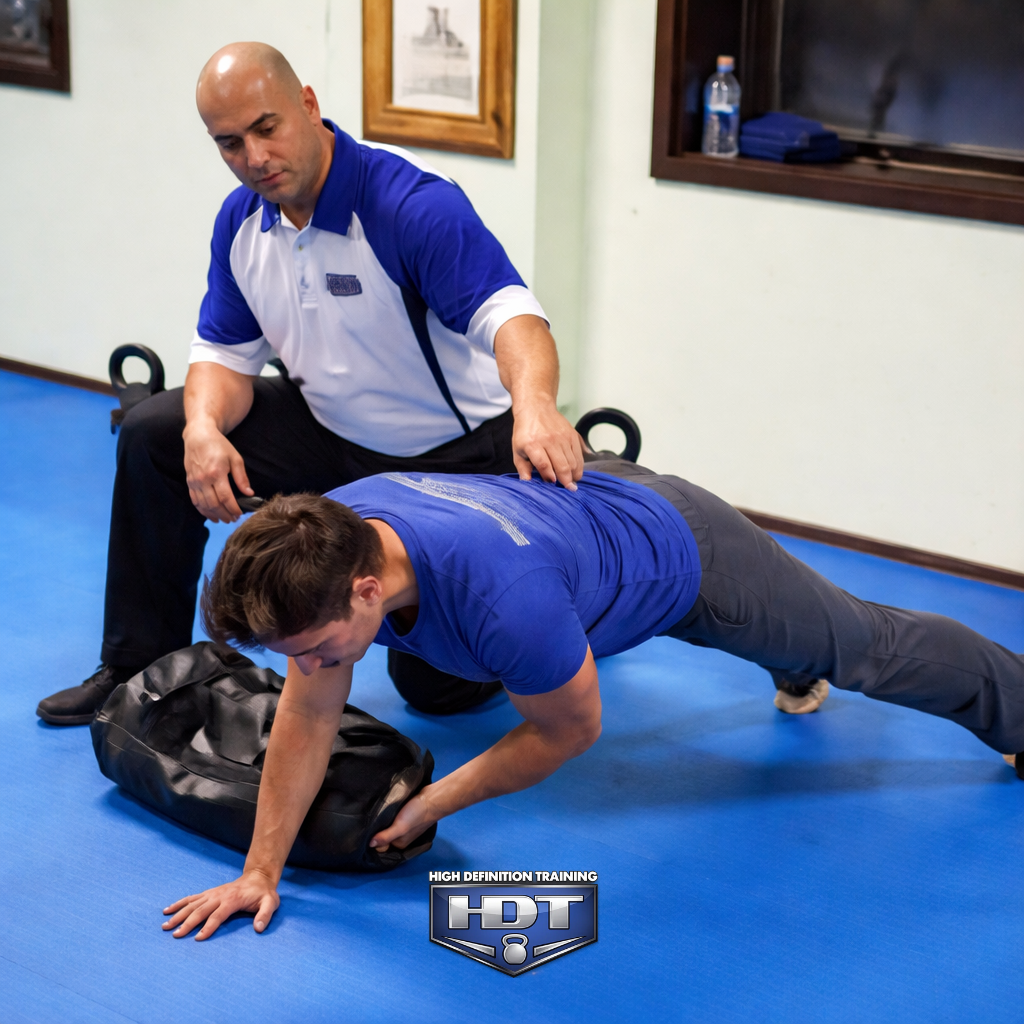
With a certified trainer, you get real-time tips that help you move correctly and avoid injury. Small tweaks in posture, movement range, and breathing can make a huge difference in how safe and effective an exercise feels. One-on-one coaching means mistakes are corrected right away, preventing bad habits that can lead to pain later on.
Smart Progressions and Training Plans
A good trainer designs workout plans that balance effort and recovery. Instead of doing the same thing week after week, they adjust the intensity and exercises to keep you improving steadily. Organizations like the American College of Sports Medicine (ACSM) stress the importance of personalized training and safe progression, which aligns with what one-on-one training offers.
Special Strategies for Common Issues
If you have joint or back pain or are recovering from an injury, a trainer can create exercises that tackle these issues directly. They’ll assess any movement restrictions and design a plan to strengthen and balance your body. For those over 40, these targeted exercises help protect joints and improve your overall independence.
Why Personal Training Delivers Results
Faster Improvements with Tailored Plans
Since personalized plans target your specific challenges, you often see improvements in strength and endurance more quickly. Tailored programs focus on the exercises that make the biggest difference, so you get more results in less time. This often means you achieve your goals faster with fewer sessions, making personal training a smart investment.
Tracking Your Progress
A good trainer will set clear benchmarks for things like range of motion, strength, and other functional measures, so you can see how you’re improving beyond just the scale. This objective feedback keeps you motivated and helps you know what to tweak in your plan.
Benefits Beyond the Gym
One-on-one training often includes advice on sleep, stress management, and nutrition, which can boost your workout results. This well-rounded approach improves health markers and can even lower medical costs. So when you think about the cost, consider all the benefits a skilled trainer brings compared to just going to the gym on your own.
Nutrition, Lifestyle, and Staying Accountable
Nutrition Tips to Boost Your Training
Many trainers offer basic nutrition advice or work with nutritionists to make sure your diet supports your fitness goals. Resources like the Dietary Guidelines for Americans provide up-to-date advice that trainers can use to help you with meal planning. Combining exercise with good nutrition speeds up fat loss and muscle gain, giving you more energy overall.
Staying Consistent with Accountability
Consistency is key to reaching your goals, and having a trainer hold you accountable can make all the difference. Regular check-ins and realistic goal-setting help you establish exercise and nutrition habits that stick. Trainers use strategies from behavior science to help you make lasting changes.
Mixing in Lifestyle Factors
Fitness improvements require good recovery, and trainers teach you how sleep, stress, and inflammation affect performance. They provide practical tips for improving sleep quality, managing stress, and planning rest days. These small lifestyle changes amplify your training benefits and help prevent setbacks.
Success Stories and Real-Life Examples
Bouncing Back from Injury
Imagine a client in their mid-40s dealing with chronic back pain and limited hip mobility. After an assessment, their trainer designed a program focusing on hip mobility and strength. In 12 weeks, they regained mobility and reduced pain, getting back to their favorite activities with more confidence.
Gaining Independence for Older Adults
Another example is an older adult struggling with balance and getting out of chairs. With lower-body strength training and balance drills, their confidence and daily function improved significantly. Programs like Balance and Fall Prevention offer these life-changing benefits.
Combining Training and Nutrition
When you mix exercise with smart nutrition, results can be amazing. A client focused on weight loss and muscle retention saw great results with a personalized training plan and meal guidance. For tailored dietary advice, our Nutritional Guidance service makes scientific recommendations easy to follow.
Choosing the Right Personal Trainer
Look for Qualifications and Experience
Pick a trainer with the right certifications and experience for your goals. Certifications from groups like the ACSM or the National Strength and Conditioning Association (NSCA) show they have a strong foundation. Beyond credentials, ask about their experience with clients like you, especially if you have specific conditions or goals.
Finding the Right Fit
Skills matter, but so does how well you get along with your trainer. The best trainer is one who matches your communication style and has a motivational approach that works for you. Many trainers offer trial sessions to see if their coaching style fits your needs. A good match makes training more enjoyable and effective.
Consider Practical Details
Think about session times, cancellation policies, and costs. Decide if you prefer in-person training, a mix of in-person and online, or occasional remote check-ins. Hybrid options offer flexibility without losing quality. Check out our Hybrid Training if that sounds appealing.
Getting Started with Personal Training
Your First Assessment
Expect your first session to include a detailed intake covering your medical history, goals, and baseline fitness. You’ll likely go through mobility, strength, and balance tests to help your trainer design a safe and effective plan.
Crafting a Realistic Program
A good program sets clear, achievable milestones with regular reassessments. Trainers break goals into smaller targets and longer-term objectives, balancing challenging workouts with recovery.
Adapting Your Plan Over Time
Regular check-ins let your trainer adjust your program as you improve. As you get stronger, your workouts will evolve to keep things interesting and challenging. Long-term planning ensures your training always supports your lifestyle and goals.
FAQs and Troubleshooting
Is Personal Training Good for Beginners?
Absolutely. Trainers guide beginners through the basics, teaching essential skills and building confidence. This professional guidance helps you avoid bad habits and makes early progress more achievable.
How Much Does It Cost, and Is It Worth It?
Prices can vary, but the personalized attention you get often means faster, safer results compared to group classes. With less risk of injury and more customized support, many find personal training a worthwhile investment in their health.
What If I Have Chronic Pain or a Recent Injury?
Trainers with experience in corrective exercise can design safe programs for those with chronic pain or recent injuries. Services like Injury Recovery & Corrective Exercise, Back Pain Rehabilitation Training, and Joint Pain Relief Programs are here to help you move better and feel better. Always share your medical history with your trainer and consult your healthcare provider when needed.
Professional Tips and Standards
Follow Guidelines from Experts
Organizations like the ACSM recommend personalized assessments and plans as the safest and most effective way to exercise. These guidelines stress the importance of screening, gradual increases in intensity, and monitoring recovery.
When to Call in the Experts
If you have a complex medical history or ongoing pain, you might need to work with a team, including physical therapists and medical providers. Trainers can help coordinate care to improve your results.
Where to Find Reliable Info
Look for trustworthy health information from peer-reviewed journals and government sources. Publications like Harvard Health offer clear summaries of exercise science and injury prevention to help you stay informed.
Conclusion: Is Personal Training Right for You?
Personal training offers clear benefits when you need customized solutions and want to see real progress. Whether you want to reduce pain, improve mobility, manage your weight, or boost athletic performance, a personalized approach often delivers better results than a generic plan. If you value efficiency and personal attention, one-on-one coaching is a great choice.
Ready to take the next step? High Definition Training helps adults over 40 regain mobility, reduce pain, and build strength with personalized, evidence-based programs. Check out our Personalized Training Programs and schedule an initial assessment to find a plan that works for you. For flexible options that mix in-person and remote support, our Hybrid Training keeps you progressing while fitting into your schedule.
Contact us at (917) 432-9418 or angelperez@highdefinitiontraining.com to book your consultation. Visit our studio at 3843 E Tremont Ave, Bronx, NY 10465 and experience how targeted, one-on-one coaching can change the way you move and feel.