
TL;DR:
- Pelvic floor fitness involves exercising muscles at the pelvis base to improve strength and health.
- It benefits women over 40 by supporting core stability, reducing leaks, and enhancing sexual function.
- Proper technique, consistency, and professional help when needed are essential for effective results.
Pelvic floor fitness is the practice of intentionally exercising the muscles at the base of your pelvis to improve strength, control, and overall pelvic health. These muscles form a supportive sling beneath your bladder, uterus, and bowel. When they weaken, which happens naturally with age, hormonal shifts, and childbirth, you may notice leaks, pressure, or reduced core stability. The good news: 1 in 3 women in the U.S. experience at least one pelvic floor issue, and the condition is treatable. You are not alone, and this is not something you have to accept.
What is pelvic floor fitness and why does it matter after 40?
Pelvic floor fitness is the targeted, consistent training of three distinct layers of muscle that sit at the base of your pelvis. Most women never think about these muscles because they are invisible. But they work constantly, supporting your organs every time you stand, cough, lift, or laugh. Treating them like any other muscle group, with regular exercise, rest, and progression, is the foundation of pelvic health.

After 40, estrogen levels drop, and connective tissue loses elasticity. Both changes reduce the natural tone of your pelvic floor. The result shows up as stress incontinence (leaking when you sneeze), urgency, or a feeling of heaviness in the pelvis. Pelvic floor training directly addresses these symptoms by rebuilding muscle strength and coordination.
The scope of pelvic floor fitness goes well beyond bladder control. Research confirms that strong pelvic muscles support core stability, protect pelvic organs during intense activity, and improve sexual function. That makes pelvic floor training one of the highest-return investments in your overall fitness after 40. Pairing it with a functional fitness routine amplifies those gains across your entire body.
What are the most effective pelvic floor exercises?
The most well-known pelvic floor exercise is the Kegel. Kegel exercises effectively manage mild to moderate pelvic organ prolapse (stages 1–3) and urinary incontinence. The recommended protocol is 10–15 repetitions, 3 times daily, with a 5–10 second hold and rest cycles. That structure gives your muscles both the contraction and recovery they need to grow stronger.

But Kegels are not the only tool. Pelvic floor therapy protocols also include bridge pose, squats, pelvic tilts, bird dog, and diaphragmatic breathing. Each exercise targets a different aspect of pelvic function. Squats and bridges recruit the glutes, deep core, and pelvic floor, making them especially useful for women who want functional strength rather than isolated muscle work.
How to perform a Kegel correctly
- Find the right muscles. Imagine you are stopping the flow of urine midstream. The muscles you squeeze are your pelvic floor.
- Contract and hold. Tighten those muscles for 5–10 seconds. Keep your glutes, thighs, and abdomen relaxed.
- Release fully. Let the muscles go completely for the same amount of time. The release is as important as the squeeze.
- Breathe normally. Do not hold your breath. Exhale during the contraction and inhale during the release.
- Repeat 10–15 times. Do this 3 times per day, ideally in different positions: lying down, seated, and standing.
Pro Tip: Start lying on your back with knees bent. This position reduces gravity’s load on the pelvic floor and makes it easier to isolate the correct muscles before progressing to seated or standing Kegels.
A common error is squeezing the wrong muscles. Many women engage their abdominals or glutes instead of the pelvic floor, which reduces the exercise’s effectiveness. If your belly tightens or your buttocks clench, you are compensating. Slow down, reset, and focus on the internal lift.
What key benefits does pelvic floor fitness provide for women over 40?
Pelvic floor training delivers benefits that reach far beyond the pelvis itself. For women over 40, the physical and emotional payoffs are significant and well-documented.
- Bladder and bowel control. Stronger pelvic muscles reduce stress incontinence and urgency, two of the most common complaints after menopause.
- Reduced prolapse risk. Consistent Kegel practice can manage mild to moderate pelvic organ prolapse and slow its progression.
- Core strength and stability. The pelvic floor is the base of your core. Strengthening it improves posture, balance, and overall movement quality.
- Sexual function. Better pelvic muscle tone increases sensation and can reduce discomfort during intercourse.
- Emotional confidence. Regaining control over your body reduces anxiety around physical activity and social situations.
“Pelvic floor fitness gives women over 40 a concrete, evidence-based way to address symptoms they were told to accept simply. Bladder leaks, pelvic pressure, and reduced sensation are not inevitable. They are treatable with consistent, correctly performed exercise.”
The emotional dimension matters more than most fitness articles acknowledge. Women who regain bladder control report higher confidence in exercise classes, travel, and daily life. That confidence creates a positive cycle: more activity leads to stronger muscles, which in turn lead to fewer symptoms. Building sustainable fitness routines that include pelvic floor work keeps that cycle going long term.
When should you seek professional pelvic floor therapy?
Self-directed exercise works well for mild symptoms. But some situations call for a specialist. Recognizing the difference protects you from wasting months on the wrong approach.
Signs that professional pelvic floor therapy is the right next step:
- Symptoms persist or worsen after 6–8 weeks of consistent Kegel practice
- You experience pelvic pain, pressure, or a bulging sensation
- Leaking occurs during low-impact activities like walking or standing
- You have had pelvic surgery, including hysterectomy or prolapse repair
- You are unsure whether you are engaging the correct muscles
Pelvic floor therapy involves specialized assessment and personalized exercise plans to strengthen or relax pelvic floor muscles. Certified clinicians use manual therapy, biofeedback, and medical-grade evaluation to identify exactly what is happening. Biofeedback, in particular, uses sensors to show you in real time whether you are contracting the right muscles. That feedback eliminates guesswork and accelerates progress.
Personalized therapy plans outperform generic routines because they account for your specific dysfunction. A woman with a weak pelvic floor needs a different protocol than a woman with a tight one. Specialist assessment uncovers underlying dysfunctions and builds treatments around them. Generic advice cannot do that.
Pro Tip: Ask your gynecologist or primary care physician for a referral to a pelvic floor physical therapist before symptoms become severe. Early intervention produces faster results and prevents minor issues from becoming chronic.
What are common pitfalls and misconceptions about pelvic floor fitness?
Most women approach pelvic floor training with two false assumptions: that more is always better, and that Kegels fix everything. Both ideas cause problems.
- Over-tightening is a real risk. Hypertonicity, or excessive pelvic floor tension, causes pain, painful intercourse, and urinary urgency. If your muscles are already too tight, strengthening exercises can worsen symptoms. Relaxation techniques, not more Kegels, are the solution.
- Incorrect muscle engagement wastes effort. Squeezing your glutes or holding your breath during Kegels means your pelvic floor is not doing the work. The exercise feels like effort but produces no benefit.
- Results take months, not days. Consistent practice 1–3 times daily for several months is required for durable functional improvement. Subtle changes may appear in weeks, but real muscle strength builds slowly.
- Posture and breath directly affect activation. Slouching compresses the pelvic floor and reduces its ability to contract fully. Diaphragmatic breathing, where your belly rises on the inhale, coordinates with pelvic floor movement and improves every exercise you do.
- Pelvic floor exercises are less effective after prolapse surgery. Setting realistic expectations after surgical repair is critical. Women in this situation need individualized guidance rather than standard protocols.
The biggest misconception of all is that pelvic floor problems are a normal, permanent part of aging. They are common. They are not inevitable. And they respond well to the right training.
Key Takeaways
Pelvic floor fitness is a long-term practice that requires correct technique, consistent daily effort, and the willingness to seek professional help when self-directed exercise is not enough.
| Point | Details |
|---|---|
| Correct technique matters most | Isolate pelvic floor muscles, breathe normally, and release fully between contractions. |
| Follow a proven protocol | Practice 10–15 Kegel repetitions, 3 times daily, with 5–10 second hold and rest cycles. |
| Benefits extend beyond bladder control | Strong pelvic muscles improve core stability, sexual function, and emotional confidence. |
| Hypertonicity is as harmful as weakness | Over-tight muscles need relaxation techniques, not more strengthening exercises. |
| Seek therapy when symptoms persist | If self-directed exercise shows no improvement after 6–8 weeks, consult a pelvic floor specialist. |
Why I think pelvic floor fitness is the most overlooked part of women’s training
Every week at High Definition Training, I work with women over 40 who have been lifting weights, walking miles, and eating well for years. Almost none of them have ever done a single intentional pelvic floor exercise. They did not know it was missing. That gap surprises me every time.
The embarrassment factor is real. Women do not bring up leaking or pelvic pressure in a gym setting. But once the conversation starts, the relief is immediate. These are not rare problems. About 1 in 3 women in the U.S. experience at least one pelvic floor issue, and most never seek help because of stigma. That statistic should make every fitness professional take this topic seriously.
What I have seen in practice: women who add pelvic floor work to their existing routine report feeling more stable during squats, more confident during cardio, and less anxious in everyday situations. The change is not dramatic in week one. But after a few months of consistent practice, the difference in how they move and how they feel about their bodies is clear. Making pelvic floor exercises a habit is no different from making any other exercise a habit. You schedule it, you do it, and eventually you stop thinking about it as a special task. It becomes part of who you are.
— Angel
Personalized training that supports your pelvic floor and full-body strength
Women over 40 deserve a fitness plan that accounts for every aspect of how their bodies work, including the muscles most trainers never mention.
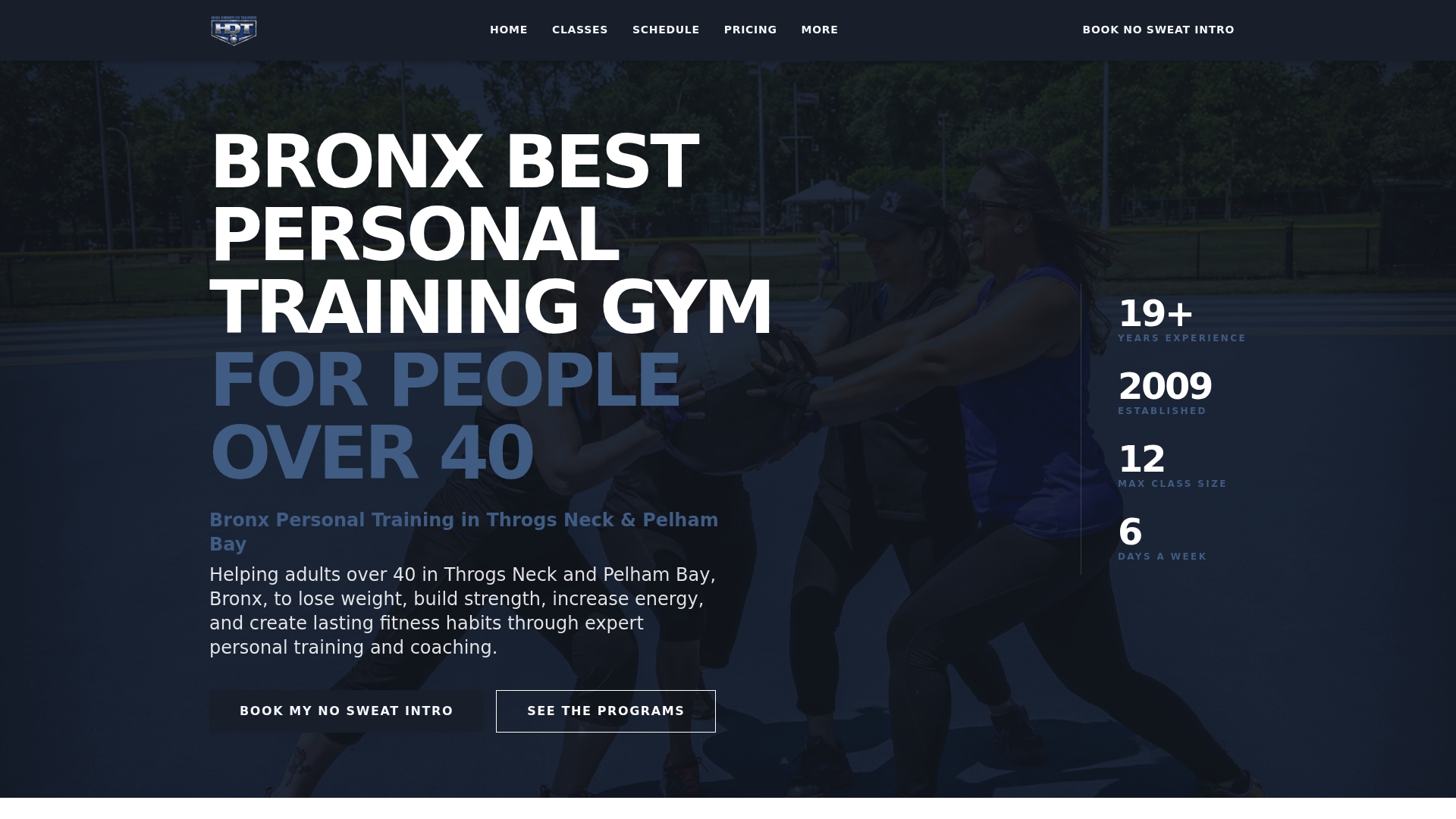
At High Definition Training, we build personalized programs for women in the Throgs Neck and Pelham Bay area of the Bronx that integrate pelvic floor awareness with functional strength training. Our coaches understand the physical realities of training after 40, from hormonal changes to injury prevention, and they design programs that produce measurable results without pressure or guesswork. If you are ready to build real strength from the ground up, check out our training classes or review our program pricing to find the right fit for your goals.
FAQ
What muscles make up the pelvic floor?
The pelvic floor is a group of muscles arranged in three layers at the base of the pelvis. They support the bladder, uterus, and bowel, and they control urinary and bowel function.
How long does it take to see results from pelvic floor exercises?
Subtle improvements may appear within a few weeks, but durable functional strength requires consistent daily practice for several months.
Can you do too many Kegel exercises?
Yes. Over-exercising a pelvic floor that is already too tight causes pain and worsens symptoms. If Kegels increase discomfort, stop and consult a pelvic floor physical therapist.
What is the difference between pelvic floor fitness and pelvic floor therapy?
Pelvic floor fitness refers to self-directed exercises such as Kegels and functional movements. Pelvic floor therapy is a clinical treatment delivered by a certified specialist using biofeedback, manual therapy, and personalized protocols.
Do pelvic floor exercises help with prolapse?
Kegel exercises effectively manage mild to moderate pelvic organ prolapse at stages 1–3. They are less effective after prolapse surgery, so personalized guidance is critical in that situation.