Testosterone and Women's Fitness: What You Need to Know
TL;DR:
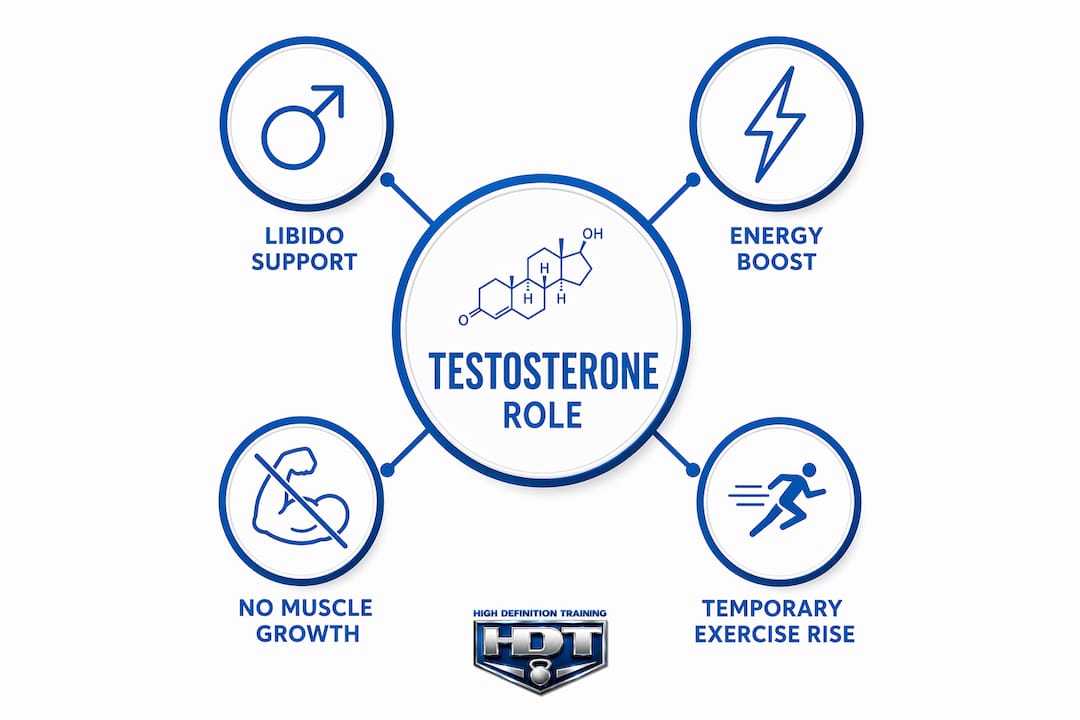
- Testosterone mainly supports libido, energy, and vitality in women and does not significantly influence muscle growth. Proper training, nutrition, and recovery are the key factors driving strength gains, not hormone levels. Testosterone therapy is primarily used to treat sexual desire issues in postmenopausal women and does not improve fitness or muscle strength at normal doses.
Testosterone is defined as an androgen hormone produced in women's ovaries and adrenal glands, and its role in women's fitness is more specific than most people realize. Women over 40 often hear that low testosterone explains their fatigue, training plateaus, or lost muscle tone. The reality is more nuanced. Testosterone primarily supports libido, energy, and vitality in women. Its direct impact on muscle strength and body composition is limited compared with training fundamentals such as progressive overload, nutrition, and recovery. Understanding the real role of testosterone in women's fitness helps you make smarter decisions about your health and your workouts.
How does testosterone impact women's strength and muscle development?
Testosterone does not drive muscle growth in women the way popular fitness culture suggests Testosterone therapy shows no meaningful benefit for musculoskeletal health at typical female physiologic dosing. That finding from Stat Pearls is significant. It means chasing hormone optimization will not deliver the strength results you want.
The real drivers of muscle development are the same for women and men. Training fundamentals like progressive overload, consistent recovery, and adequate nutrition produce strength gains regardless of testosterone levels. National Geographic reports that recent research confirms women have a similar capacity for hypertrophy as men once structured training begins. The gap in outcomes comes from training differences, not hormonal ones.
Women over 40 sometimes blame hormones when progress stalls. The more productive question is whether the training program is sufficiently challenging. Plateaus are almost always a training and nutrition problem, not a testosterone problem.
Key factors that drive real strength gains:
- Progressive overload: Increase weight, reps, or volume consistently over time.
- Recovery: Muscle rebuilds during rest, not during the workout itself.
- Protein intake: Adequate dietary protein supports muscle repair and growth.
- Sleep quality: Poor sleep disrupts every hormonal system, including testosterone.
- Consistency: Workout consistency over months matters far more than any single hormone level.
Pro Tip: Before assuming a hormone issue is limiting your progress, get a full fitness assessment. A structured review of your training load, nutrition, and recovery often reveals the real bottleneck.
What is the role of testosterone therapy for women?
Testosterone therapy for women has one well-supported clinical use: treating hypoactive sexual desire disorder, known as HSDD, in postmenopausal women. StatPearls and Cedars-Sinai both confirm that evidence for testosterone therapy beyond sexual desire improvement is insufficient. Therapy is not validated for improving mood, cognition, or fitness performance in women.
When therapy is appropriate, the process is careful and monitored. Cedars-Sinai outlines that dosing targets premenopausal testosterone ranges, not supraphysiologic levels. Delivery is typically transdermal, meaning creams or gels are applied to the skin. Lab monitoring tracks levels to prevent excess dosing, which carries real risks including acne, hair changes, and cardiovascular concerns.
The timeline for therapy is also worth knowing:
- Weeks 4–8: Initial effects on sexual desire may begin to appear.
- Months 3–6: Full benefit assessment happens here. If no improvement is evident, therapy should stop.
- Ongoing monitoring: Regular lab work confirms levels stay within the safe premenopausal range.
- Discontinuation: Cedars-Sinai recommends stopping therapy if no benefit appears within approximately six months.
Testosterone therapy is best viewed as targeted symptom treatment, not a broad anti-aging or fitness tool. Women considering it should work with a physician who specializes in menopause medicine, not a general wellness provider offering hormone packages.
Pro Tip: Ask your doctor specifically about HSDD as a diagnosis before pursuing testosterone therapy. A clear clinical indication protects you from unnecessary treatment and its side effects.
How does exercise influence testosterone levels in women?
Exercise does produce a temporary rise in testosterone. HIIT and resistance training both prompt this acute hormonal response. The critical word is temporary. Transient testosterone elevation after exercise does not translate into sustained hormonal change or a therapeutic effect. Clinical guidance does not support exercise as a method of testosterone therapy.
This distinction matters because much fitness marketing overstates the hormone angle. Claims that HIIT "boosts your testosterone" imply a lasting benefit that the research does not support. The real benefits of HIIT and resistance training are cardiovascular, metabolic, and structural. They are real and significant. They do not work through testosterone.
What exercise actually does for women over 40:
- Cardiovascular health: Regular training reduces resting heart rate and improves arterial flexibility.
- Metabolic function: Resistance training increases resting metabolic rate by building lean muscle tissue.
- Bone density: Weight-bearing exercise is one of the most effective tools for maintaining bone density after menopause.
- Mood and cognition: Exercise raises endorphins and supports neuroplasticity, independent of testosterone.
- Hormonal context: Estrogen and progesterone fluctuations have a far greater influence on day-to-day energy and performance than testosterone changes do.
The takeaway is straightforward. Train because it makes your body stronger, your heart healthier, and your mind sharper. The hormone response is a side effect, not the mechanism.
What should women over 40 focus on to optimize fitness?
Low testosterone does not adequately explain poor training response during menopause. StatPearls confirms that progression, nutrition, and recovery are the primary levers for fitness improvement, with hormones as one medical factor among many. Shifting focus from hormone chasing to training fundamentals produces better results and avoids unnecessary medical interventions.
Building a training foundation that works
Progressive overload is the single most reliable driver of strength gains for women over 40. This means adding challenge to your workouts over time, whether through heavier weights, more reps, or reduced rest periods. A sustainable fitness routine built around this principle will outperform any supplement or hormone protocol.
Nutrition is equally non-negotiable. Women over 40 often undereat protein, which limits muscle repair and recovery. Aim for protein at every meal, prioritize whole foods, and treat nutrition as part of your training program, not separate from it.
Understanding hormone literacy
Hormone literacy means knowing the difference between natural cyclic changes and a clinical hormone deficiency. Estrogen and progesterone drive most hormonal fluctuations across the menstrual cycle and through perimenopause. Testosterone changes are real but comparatively minor. Tracking your energy and performance across the month helps you identify patterns without jumping to a hormone diagnosis.
| Focus area | What actually drives results |
|---|---|
| Strength gains | Progressive overload and protein intake |
| Energy levels | Sleep quality and stress management |
| Body composition | Consistent training and caloric balance |
| Hormone balance | Medical evaluation, not supplements |
| Long-term health | Structured, progressive training plans |
Working with a trainer who understands the physiology of women over 40 removes the guesswork. Hiring a personal trainer who specializes in this population means your program accounts for hormonal realities without being derailed by myths.
Key Takeaways
Testosterone supports libido and energy in women but does not drive muscle growth, making training fundamentals the primary tool for fitness after 40.
| Point | Details |
|---|---|
| Testosterone's real role | Supports sexual desire and energy; does not meaningfully drive muscle strength at normal female levels. |
| Therapy has one clear use | Testosterone therapy is clinically supported for HSDD in postmenopausal women, not for fitness or mood. |
| Exercise raises testosterone briefly | Transient post-exercise increases do not produce lasting hormonal or therapeutic effects. |
| Training fundamentals win | Progressive overload, nutrition, and recovery drive strength gains more than any hormone intervention. |
| Hormone literacy matters | Understanding estrogen and progesterone cycles helps women plan training without chasing false fixes. |
Testosterone, fitness, and what I've actually seen work
Women come to me frustrated. They've read that low testosterone is why they feel tired, why their arms won't tone up, and why the scale won't move. I understand why that narrative is appealing. It offers a single explanation and a simple fix.
The problem is that it's rarely accurate. In my experience training women over 40 in the Bronx, the real issue is almost always that they are undertrained, under-recovered, or under-fueled. Not under-hormonized. When a woman commits to a structured strength program with real progressive overload and starts eating enough protein, the results show up. They show up without a single hormone test.
That said, I take hormones seriously as a medical topic. If you have genuine symptoms of hormonal imbalance, a physician who specializes in menopause medicine is the right person to evaluate you. Testosterone therapy has a real and specific role for women with HSDD. It is not a fitness supplement.
What I want women over 40 to take away is this: your body is capable of significant improvements in strength and health right now, with the tools you already have access to. Consistent, well-designed training is the most evidence-based intervention available to you. Hormones are one piece of a larger picture. They are not the whole story.
— Angel
Strength training for women over 40 in the Bronx
High Definition Training works specifically with women over 40 in the Throgs Neck and Pelham Bay areas of the Bronx. The programs here are built around what the evidence actually supports: structured strength training, progressive programming, and real accountability.
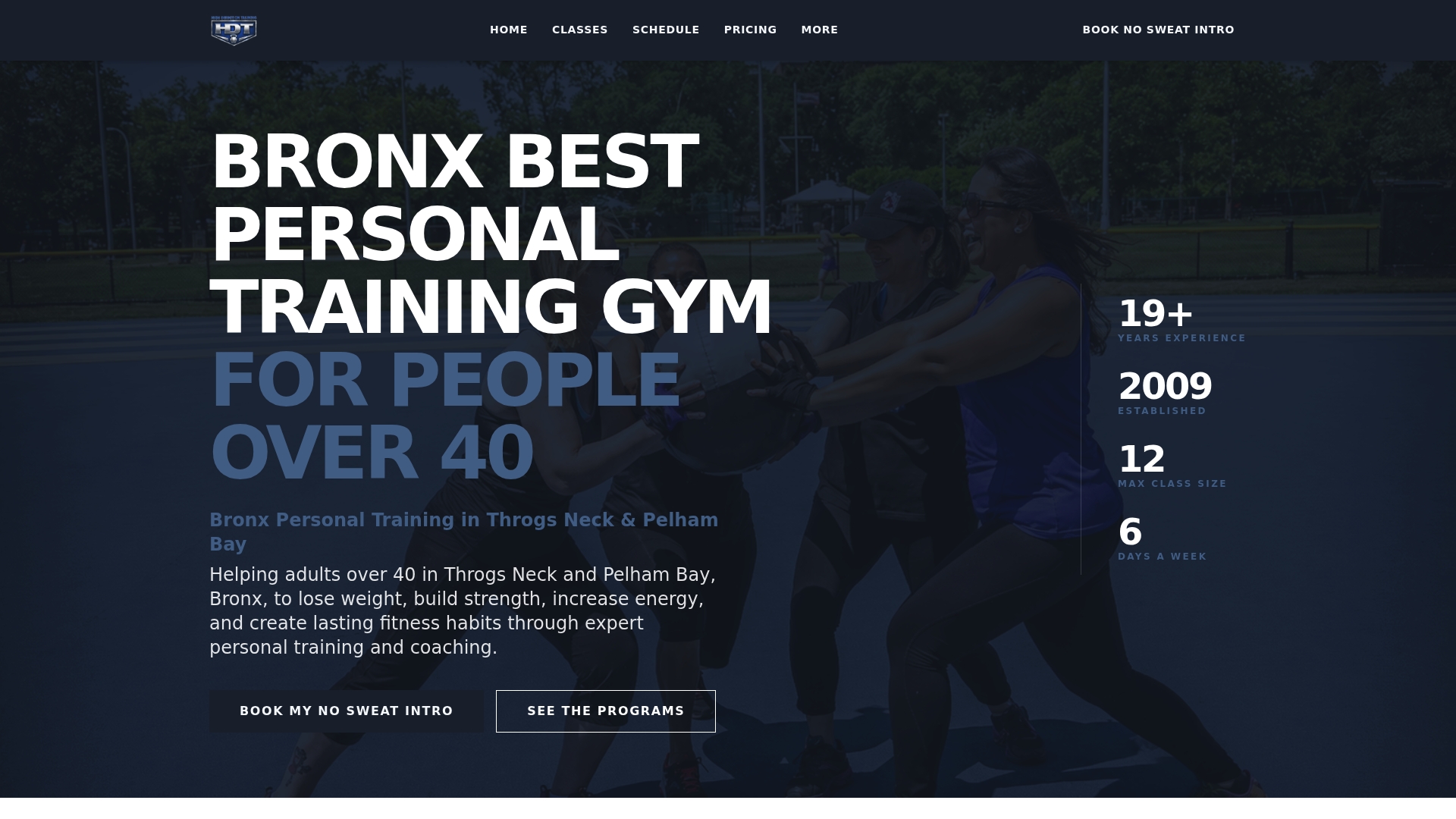
If you've been wondering whether hormones are holding you back, the first step is a conversation about your training, not a supplement order. High Definition Training offers personal training classes designed for women at exactly this stage of life. The focus is on building strength, improving body composition, and feeling capable in your body for the long term. Visit High Definition Training to learn more about what's available in your neighborhood.
FAQ
Does testosterone help women build muscle?
Testosterone therapy does not show meaningful muscle or strength benefits at female physiologic dosing, according to StatPearls. Training fundamentals like progressive overload and protein intake are the primary drivers of muscle development in women.
What is the normal role of testosterone in women's health?
Testosterone supports libido, energy, and vitality in women. It declines gradually with age and has the most clinically recognized impact on sexual desire, particularly in postmenopausal women.
Can HIIT increase testosterone levels in women?
HIIT and resistance training produce a temporary rise in testosterone after exercise. This transient increase does not translate into sustained hormonal change or a therapeutic effect on fitness outcomes.
Who should consider testosterone therapy?
Testosterone therapy is clinically indicated for postmenopausal women diagnosed with hypoactive sexual desire disorder. It requires physician oversight, lab monitoring, and low-dose titration to premenopausal levels.
Why do women over 40 experience fitness plateaus?
Fitness plateaus in women over 40 are most often caused by insufficient training progression, low protein intake, or poor recovery. Low testosterone is rarely the primary cause, and addressing training fundamentals typically resolves the plateau.